Showing posts with label New Drugs. Show all posts

Thursday, February 17, 2011

Actelion Preparing to Counter Gilead in PAH


Gilead Sciences' $GILD rival Actelion $ATLN gave full year results today and they were positively received.  As ever with biotech and pharmaceutical companies, investors will always want to focus on the pipeline in order to decide whether the stock is worth buying. Going forward the key event driver for Actelion will be Macitentan. Gilead was featured extensively in an in depth article on earnings view. Before going into more detail, it might be worthwhile to understand the background.


Tracleer vs. Letairis in Pulmonary Arterial Hypertension

Actelion is a rival to Gilead because they compete in Pulmonary Arterial Hypertension (PAH). Gilead's Letairis seems to be gaining market share on Actelion's blockbuster drug Tracleer. Interestingly, in an attempt to broaden their indications, both drugs were put into phase III trials for Idiopathic Pulmonary Fibrosis (IPF) and both failed last year!

The advantage of Letairis is that it is taken on a once a day regimen (as opposed to twice for Tracleer) and has a more flexible dosing regime. In addition, it has demonstrated a superior liver toxicity profile to Tracleer.

According to Trista Morrison in Bioworld, Letairis has demonstrated superior efficacy to Tracleer:
“ the 5mg dose of Letairis... ...increased the distance covered during a six-minute walk by a mean of 31m in one trial and 59m in the other." and "10mg dose... ... increase was 51m. In the Tracleer Phase III, the 125mg dose increased distance by a mean of 35m in one trial and 76 meters in the other. “
As noted in a previous article on Gilead, Letairis has been expanding sales strongly. Although Letairis does have some potential side effects. On the downside, Letairis (ambrisentan) has been linked to an increased risk of peripheral edema (or oedema) and the FDA approved safety labelling revisions according to Yael Waknine:
“Peripheral edema is a known class effect of endothelin receptor antagonists and is also a clinical consequence of (PAH) and worsening PAH. However, clinical study data have revealed an increased incidence of peripheral edema in patients receiving 5 or 10 mg/day of ambrisentan vs. placebo (17% vs. 11%)."
The article goes on to point out that the majority of the cases were mild /moderate in severity, and they occurred with greater frequency and severity in old patients.

So what is PAH and how do these drugs differ?

Pulmonary Arterial Hypertension

One of the problems with pulmonary arterial hypertension is that it is difficult to detect early on. Symptoms include things like chest pain, shortness of breath, palpitations, excessive fatigue and fainting. These symptoms are often mistaken for other conditions, particularly as PAH is not a widely held condition. The cause of PAH is unknown and, ultimately, the condition will cause death. Therefore, treatments are focused on improving survival rates via blocking either ETA receptors or ETA and ETB receptors.


Endothelin ETA and ETB Receptors


Endothelin is a powerful vasoconstrictor which has diverse actions that effect homeostatic actions in the body. According to Schneider et al the two receptor subtypes, ETA and ETB

"mediate the actions of endothelin. ETA receptors.. ..promote vasoconstriction, growth, and inflammation, whereas ETB receptors produce vasodilation, inhibit growth and inflammation. Potent and selective receptors... ...have shown promising results in the treatment of.. ..pulmonary arterial hypertension, acute and chronic heart failure, hypertension, renal failure, and atherosclerosis.”
ETA and ETB receptors have opposing actions and it is this contradiction which defines the competition between Actelion’s Tracleer (blocks ETA and ETB receptors) and Gilead’s Letairis (blocks ETA receptors only).


Actelion's Plans for Macitentan in PAH and IPF

Similarly, Actelion's Macitentan blocks ETA and ETB receptors. More light on Macitentan was shed by Iglarz et al:

“optimized for its potency and dual blockade of ETA and ETB receptors since both receptors mediate the deleterious effects of ET-1 in pathology” and “dual antagonism was superior to ETA-selective antagonism in terms of maximal efficacy. This ranking of efficacy between selective and dual antagonism in pathology is inverse in physiology, where in healthy subjects, ETA-selective antagonists induced greater vasodilation than dual"
Actelion has Macitentan in Phase III and it appears that this will be the focus of their efforts in order to retain leadership in PAH after Tracleer’s patent expiry in 2015. In common with Tracleer, It is a dual endothelin receptor antagonist. However, unlike Tracleer, it has shown good efficacy in idiopathic pulmonary fibrosis.

Macitentan Advantages and Timeline

Macitentan is well tolerated and seems to be free of many of the potential liver toxicity issues that are associated with Tracleer and Gilead’s Letairis. According to Martine Clozel,
"Macitentan is expected to protect tissues from the deleterious effect of elevated ET, via a comprehensive blockade of ET receptors in the tissue compartment.”
Unlike Tracleer (but in common with Letairis) it is a taken once a day and has demonstrated greater efficacy than both in pulmonary arterial hypertension. After the intended Phase III and FDA approval Actelion would hope for Macitentan to replace Tracleer and also to open up the IPF market for them.

 
Phase III results for Macitentan in PAH are expected in late 2011 or early 2012, whilst Phase II results for Macitentan in IPF are expected in the second half of 2011. There are exciting days ahead for Actelion!


Sources:

Clozel, Martine “Better by Design- Potential of Tissue Targeting”  Abstract from7th International Pulmonary Hypertension Forum, 2008
Iglarz M. et al. “Pharmacology of Macitentan, an orally active tissue targeting dual endothelin receptor antagonist.” J Pharmacol Exp Ther. 2008 Sep 9
Morrison, Trista “Gilead Gets Letairis Approval, Potential Best In Class For PAH”  Bioworld Today, 2007
Schneider, Markus P., Erika I. Boesen and David M. Pollock “Contrasting Actions of Endothelin ETA and ETB Receptors in Cardiovascular Disease Pharmacology and Toxicology, Volume 47, 2007
Waknine,Yael “FDA Safety Changes: Serevent Diskus, Letairis, Antibiotics”  Medscape News,2008
 

Tuesday, January 4, 2011

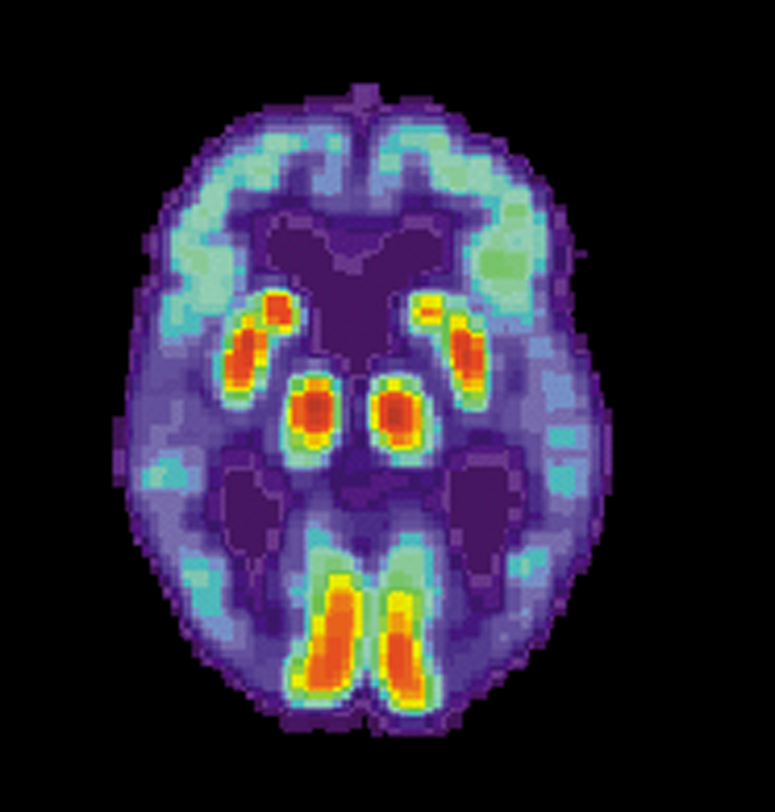
New Drugs and Therapies for Alzheimer's Disease


New drugs in development for Alzheimer’s disease have disappointed in recent years. Perhaps this is because the current consensus on the causes of Alzheimer’s disease is wrong? The existing approach to treating the disease follows the ‘amyloid hypothesis’ of which, I will go into more detail later.

 However, since this is an investment focused site, and we are looking for biotech stocks to buy., let’s look at the companies (stock market listed) that are involved in new drug developments for Alzheimer’s disease. I’ve included previous failures in the table, by way of comparison. I’ve previously written about Morphosys in this blog and I hold the stock, even though I don’t proscribe much chance of success for gantenurumab. It has similarities to bapineuzumab, which I think has given weak results so far.


Company
Compound
Action
Status
Forest Laboratories
Neramexane

NMDA receptor antagonist
Failed Phase III 2004

Axonyx
Phenserine
beta amyloid Modulator
Failed Phase III 2005

Neurochem
Alzhemed(tramiprosate)
Inhibits plaque formation
Failed in 2007

Myriad Genetics/Lundbeck
Flurizan(tarenflurbil)
Secretase Modulator
Failed Phase III 2008

Elan/Pfizer/Johnson & Johnson  
bapineuzumab
Anti beta amyloid antibody
Phase III Results 2012
Eli Lilly
solaneuzumab
secretase inhibitor
Phase III Completion due 2012

Roche/Morphosys
gantenerumab
Anti beta amyloid antibody
Phase II

Prana Biotechnology

PBT2
Inhibits oligomer formation
Phase IIb


Source: Earnings View, Company Results

The first thing to note is the high degree of failures in Alzheimer’s drugs, this suggests that it is a difficult indication to treat and has a low probability of success for drugs in clinical trials. Perhaps this could be because most of the drugs in development follow the amyloid hypothesis?


Amyloid Hypothesis for Alzheimer’s Disease

Amyloid Precursor Proteins is an integral membrane protein which is concentrated in neuron junctions and, therefore highly present in the brain. When these proteins are engaged in proteolysis they degrade into smaller parts and, one of these parts can be a piece of beta amyloid.

 The ‘Amyloid Hypothesis’ holds it that these pieces are sticky and aggregate together to form oligomers. These oligomers then go on to form sticky plaques which ultimately cause Alzheimer’s disease. They are seen as disrupting and then ultimately destroying brain cells. As outlined above, most of the therapy approaches have involved applying this hypothesis.


Alzheimer’s Drugs in Development

The failures of drugs targeting the plaques that form in the brain have been spectacular. In 2005, Axonyx reported on Phenserine in a 384 patient trial  and stated that "Phenserine showed no statistically significant effect on cognition endpoint ADAS-Cog in each of these two Phase 3 trials."
Neurochem's tramiprosate was intended to be able to inhibit the growth of amyloid accumulation and therefore plaque formulation; however it failed in a 1052 patient Phase III trial in North America. The European trial was discontinued.


The next high profile failure was with Myriad Genetics Flurizan. The drug was intended to inhibit an enzyme responsible for the formulation of amyloid (specifically AB42). Flurizan failed in 1684 patient trial, which was the largest Phase III trial to date. No doubt Lundbeck investors were livid, after having- only recently -bought the co-marketing rights for Europe.


Bapineuzumb Another Failure?

Wyeth (Pfizer) and Elan had previously reported disappointing results in Phase II for bapineuzumab. These results suggested some efficacy in patients who didn't have the APOE4 mutation gene (about 35% of total) but no statistical significance for the remaining 65%  They decided to take it into Phase III and results were due in 2010, however this timeline has been extended to 2012. This is usually a bad sign. Moreover, hopes for this trial were dealt a blow when a study released in the Lancet reported that imaging scans had revealed that bapineuzumab reduced brain plaques by 25% yet had no effect on patients cognitive ability.

The latter point, if confirmed in the trial, will cast serious doubts on the amyloid hypothesis. There is growing disagreement over whether amyloid plaques are the cause or possibly a consequence of Alzheimer's disease. New R & D into the disease could be focused on attaching the oligomers rather than the plaques.

New Therapies in Development for Alzheimer's Disease

Morphosys/Roche gantenerumab, like bapineuzumab, is an anti-amyloid antibody (in early stage trials) and this casts some doubt on its chances of success. Solanezumab is a humanized monoclonal antibody which binds to soluble amyloid beta. It was taken to phase III on the back of safety data, rather than having achieved efficacy in Phase II. Solanezumab is believed to be similar to bapineuzumab but with less toxicity issues. The latter was found to cause brain inflammation in its highest dose in Phase II.

The last of the featured drugs is Prana Biotechnology PBT2 which is entering Phase IIb trials having demonstrated efficacy in a small Phase II trial. It is intended to inhibit the formulation of oligomers. This is interesting because of its focus on oligomers rather than plaques, or plaque reduction.

According to the American Association of Retired Persons (AARP) new research by Dr Sam Gandy is suggesting that the symptoms of Alzheimer's are caused by the oligomers and not the plaques. This conclusion would be consistent with the Lancet published research on bapinezeumab. However, if true, it would cast serious doubt those drugs that are focused on plaque.


Source:

AARP "Alzheimer's A New Theory" AARP Bulletin, September 2010


Monday, January 3, 2011

Inspire Pharmaceuticals Denufosol and Vertex 770 & 809

Some interesting news flow today related to the failure in Phase III of Inspire Pharmaceuticals cystic fibrosis drug denufosol tetrasodium. I'm particularly interested in how this might relate to the probability of success of Vertex 770 and 809 which are both due to report on Phase II trials in 2011. I'm a great believer that probabilities of success for drugs in FDA clinical trials need to be looked it in the context of a variety of factors other than just plucking an industry standard number out of the air. Why biotech analysts insist on pencilling in 50% for almost every phase III trial, is a mystery to me.  I think one of the key factors is the class of drug, hence my concern for Vertex.

I've previously written about Vertex's pipeline here and also featured one of their drugs in an article about Rheumatoid Arthritis here.  On balance, I think the Inspire news is a net positive for Vertex. It will remove a competitor who could have grabbed market share with a drug that works in a similar way in targeting the underlying cause. However, I think the mode of action is sufficiently different to not effect Vertex and the probability of success of 770 and 809.


New Drugs in Development for Cystic Fibrosis

Incidentally, Gilead Sciences had Cayston approved in 2010 for cystic fibrosis but it is an inhaled antibiotic therapy which acts on the pseudomanal infection in order to provide an increase in forced expiratory volume (FEV).  Discovery Laboratories has recently reported good results with lucinactant in Phase IIa, but again this is drug targets mucus airway adhesion. In contrast, Inspire and Vertex's drugs target the underlying cause.

In Cystic Fibrosis (CF) the basic problem is that the epithelial cells have a defect, which is caused by the production of faulty Cystic Fibrosis Transmembrane Regulator (CFTR). This defective CFTR causes poor ion flow across membranes. The result being that chloride outflow is restricted and sodium inflows are unrestrained. Eventually, this build up causes the heavy mucus that creates lung infections and damage. As noted above the Gilead Sciences and Discovery Labs act on the mucus build.


Inspire Pharmaceuticals Denufosol and Vertex 770 and 809

This drug acts on the underlying cause by trying to activate an alternative chloride pathway that is believed to be in the epithelial cells. Essentially, denufosol is a synthetically created version of uridine triphosphate (UTP) which is believed to be able to trigger the appropriate receptors in the epithelial cells, in order to create this alternate chloride pathway and clear the mucus.

However, Vertex 770 is different to denufosol in that it acts as on the CFTR protein itself. It is a CFTR potentiator which is aimed at increasing the function and efficacy of the CFTR proteins in ion transfer. Increasing chloride flow such action will obviously reduce mucus build up. Moreover, what makes Vertex 770 attractive is that it can also be used for cystic fibrosis in other organs such as the pancreas.

Conclusion on Vertex 770 & 809 Chance of Success

I don't think it is fair to reduce Vertex chances with 770/809 because of the denufosol failure. The denufosol results were surprising, as they had a very strong Phase II and more analysis needs to be made. However, if anything, I think it is a net positive for Vertex. A competitor drug has been taken out of the immediate running.

 Vertex has 770 in Phase III for G551D Mutation. They could submit by year end 2011. This is shaping up to be an exciting year for Vertex.

Thursday, December 9, 2010

New Drugs in Development for Rheumatoid Arthritis


I decided to take a look at which new drugs and treatments were in development in order to treat Rheumatoid Arthritis. There are a number of small molecules in development and it is noticeable how Janus kinase (JAK) inhibitors seem to dominate the landscape. Quite a few companies listed on the stock market are developing new drugs for Rheumatoid Arthritis.

TNF Blockers

Unlike TNF blocker biologics like Humira (injected on alternate weeks) Enbrel (injected once a week) or Remicade (intravenous every month or so), these drugs (kinase inhibitors) tend to be taken orally. The three afore mentioned TNF blockers are responsive in 70% of patients, including some who do not respond to the first line treatment of methotrexate. They are expensive and have significant side effects.

JAK Inhibitors for Rheumatoid Arthritis

Janus kinases are receptor associated kinases that provide a pathway for the cytokines that are seen as playing a pivotal role in inflammation of the joints for the Rheumatoid Arthritis sufferer. Of the four JAKs that have been discovered JAK3 has attracted the most attention because it doesn’t seem to have actions outside of hematopoietic cells. I’ll go into more detail on the individual programs below. For reference, the other three JAKs are JAK1, JAK2 and TYK2.


New Drug Pipeline for RA


Company
Compound
Action Inhibitor
Timeline
Lexicon
LX2931
SP1L
Phase IIa ,top line results due by end 2010
Pfizer
CP 690,550
JAK 1/3
Completed Phase III. Four more studies before FDA submission in 2011
Galapagos
GLPG0259
MAPKAPK5
In Phase II, interim results due Q2 2011, top line Q4 2011
Vertex
VX509
JAK 3
In Phase IIa, results due 2011
Morphosys
MOR103
GM-CSF
In Phase Ia/IIb, final results due H1 2012
Incyte/Eli Lilly
INCB28050
JAK 1 / 2
Phase IIb begun in late 2010
Rigel/AstraZeneca
R788
SYK
Phase III begun in late 2010


Pfizer’s CP 690, 550  Tasocitinib

Pfizer’s CP 690 (tasocitinib) is in Phase III for both Rheumatoid Arthritis and Psoriasis. They recently gave Phase III results in Rheumatoid Athritis and it was claimed that CP 690 reduced inflammation in 71 percent of patients. Tasocitinib is an oral indication taken on a once a day regimen. According to the Reuters article


“On the study's first primary goal, 65.7 percent of patients who received 10 milligrams of tasocitinib twice a day achieved ACR20, meaning at least a 20 percent improvement in disease activity and symptoms, after three months of treatment. Nearly 60 percent of 5 mg patients reached ACR20, compared with 26.7 percent of those who received a placebo, researchers said.”

This would appear to be the leader here and Pfizer are developing tasocitinib for other inflammatory diseases such as ulcerative colitis, psoriasis, and Crohn’s disease. FDA submission could take place for RA in 2011.

Interestingly, a study was carried out in 2010 (Cohen) which demonstrated that there weren’t any clinically significant effects on the pharmacokinetics of either drug, if they were taken together. Therefore, there would be no dosage adjustment if taken together.

Rigel/AstraZeneca R788 Fostamatinib Disodium

R788 was in licensed by AstraZeneca early this year in a deal that is potentially worth $1.25bn. This was seen as a significant sign of approval for a drug that had failed one of three Phase II studies in 2009.  R788 or Fostamatinib Disodium is an orally taken (twice a day) SYK inhibitor. Despite the setback in 2009, they reported superb results in a six month Phase IIb study this year. According to Rigel


    - The ACR 20 response was achieved by significantly more patients in both the fostamatinib 100mg bid group and the fostamatinib 150mg qd group (67% and 57% respectively) than the placebo group (35%, p<0.001).
- The ACR 50* response rates were 43%, 32% and 19% for the fostamatinib 100mg bid group, 150mg qd group and placebo group respectively (p<0.01). The ACR 70* response rates were 28%, 14% and 10% for the fostamatinib 100mg bid group, 150mg qd group and placebo group respectively (p<0.001 for fostamatinib 100mg bid, p=0.34 for fostamatinib 150 mg qd)
- In addition, the DAS 28 remission rate was significantly higher in both the fostamatinib 100mg bid group and the fostamatinib 150mg qd group (31% and 21% respectively), compared to the placebo group (7%, p<0.01).”

Furthermore, 36 percent of patients achieved ACR20 after just one week, so these phase IIb results demonstrate that R788 has a faster mode of action than Pfizer’s CP 690. Furthermore, remission was statistical significant and this was something that Pfizer could not achieve in Phase III. 
Side effects included increased risk of diarrhoea and hypertension. Phase III trials will begin in late 2010.
 
Lexicon LX2931 

LX2931 inhibits sphingosine-1-phosphate  (S1P) lyase, which is an enzyme seen as being on a path to regulating the immune system. They’ve demonstrated-in pre-clinical- that inhibiting S1P has reduced inflammation in mice, however the Phase IIa trial is a 208 patient trial. What’s interesting about LX2931 is that it is intended as a combination therapy with methotrexate and is being trialled in this manner. Top line data is due by end 2010.
 
Incyte/Eli Lilly INCB 28050

Incyte has two JAK inhibitors in development. Its lead compound is INCB18424 which is in Phase III for myelofibrosis and Phase II for polycythemia and psoriasis, respectively.  INCB28050 is its JAK 1 / 2 inhibitor for RA. Eli Lilly paid $90m initially for this compound, with Incyte being eligible for $655m in milestones, as well as royalties on top. They recently presented results for a six month Phase IIa trial

“all three doses of oral INCB28050 (4 mg QD, 7 mg QD and 10 mg QD) improved on the primary endpoint, the percent of patients achieving American College of Rheumatology (ACR) 20 improvement, over the full 24-week treatment period. Importantly, ACR responses improved between week 12 and week 24 achieving up to 72% for ACR20, 44% for ACR50 and 30% for ACR70 at week 24. Results seen at 12 weeks for placebo were 32% for ACR20, 13% for ACR50 and 3% for ACR70, and for patients treated with INCB28050 the results were up to 59% for ACR20, 35% for ACR50 and 16% for ACR70.”
As with Rigel’s R788 adverse effects of diarrhoea and hypertension were reported. Eli Lilly plans to begin Phase IIb shortly.
 
Vertex VX509 JAK3 II

I’ve previously discussed Vertex here but omitted to mention VX509. VX509 is a JAK3 inhibitor that Vertex has in a Phase IIa 200 patient proof of concept trial. Interim clinical data is expected in 2011.
 
Galapagos GLPG0259

Galapagos is another company I mentioned recently and MAPKAPK5 (a protein kinase) was discovered as playing a role in RA, via Galapagos’ proprietary discovery technology. It is a good illustration of their business model. Galapagos feel that it is involved in signaling a pathway to inflammation. GLPG0259 is orally taken, once a day regimen, and is compatible with methotrexate. Indeed, the initiated Phase II will be with methotrexate. Interim results are due in H1 2011 and top line results by end 2011.

Morphosys GSM-CF Inhibitor MOR103

I wrote a bit about MOR103 here and what makes MOR103 a novel antibody, is that it targets GM-CSF, which is seen as an inflammatory mediator that activates the JAK pathway. It is currently in Phase Ib/2a trial, with final results due in H1 2012.
 
Conclusion on New Treatments for Rheumatoid Arthritis

This new collection of drugs represents a potential improvement to the TNF blockers, in terms of regimen and side effects. Pfizer’s CP 690 is the leader and appears to be a blockbuster in the making. It should be well established by the time that Incyte and Vertex get their JAK inhibitors on the market. Pfizer’s is the only compound successfully through Phase III. Rigel’s R788 is very interesting due to its speed of action and efficacy, however this is yet to be confirmed in Phase III and it will be a while before they complete this. 
 
Lexicon and Galapagos present options for combination with the first line treatment of methotrexate. GLGP0259 is in early stage, but Lexicon’s LX2931 should give results soon in a Phase II trial. Morphosys MOR103 is early stage but potentially a blockbuster as they own the rights to GSM-CF inhibitors in inflammatory diseases in the US. I opened a small speculative position in Lexicon ahead of their Phase IIa data in LX2931.
 
 
Source:

Cohen S, Zwillich SH, Chow V, Labadie RR,Wilkinson B Co-administration of the JAK inhibitor CP-690,550 and methotrexate is well tolerated in patients with rheumatoid arthritis without need for dose adjustment."  British Journal of Pharmacology, Volume 69, Issue 2, Pages 143-151, February 2010

Reuters “Pfizer Arthritis Drug Succeeds in Late Stage Trial”

Rigel Website (accessed Dec 2010) Data Published Today Reveal That Novel Oral Therapy Fostamatinib Demonstrates Positive Response in Rheumatoid Arthritis Patients”

Incyte Website (accessed Dec 2010) Incyte's Selective Oral JAK1 and JAK2 Inhibitor Demonstrates Positive Phase IIa Results in Patients with Active Rheumatoid Arthritis”